Learn about surgery for achalasia cardia – a condition that makes swallowing difficult. We use laparoscopic and robotic methods with tiny cuts, less pain, and fast recovery.
Achalasia cardia is a problem with the food pipe (esophagus). The muscle at the lower end doesn’t relax properly, so food gets stuck. The main surgery to fix this is called Heller myotomy. We do this surgery using laparoscopic (keyhole) or robotic methods.
In achalasia, the ring-like muscle at the bottom of your food pipe stays tight. Even when you swallow, it doesn't open fully. Food and drinks pile up in your food pipe. This causes trouble swallowing, chest pain, and sometimes food coming back up. You may also lose weight because eating becomes so hard.
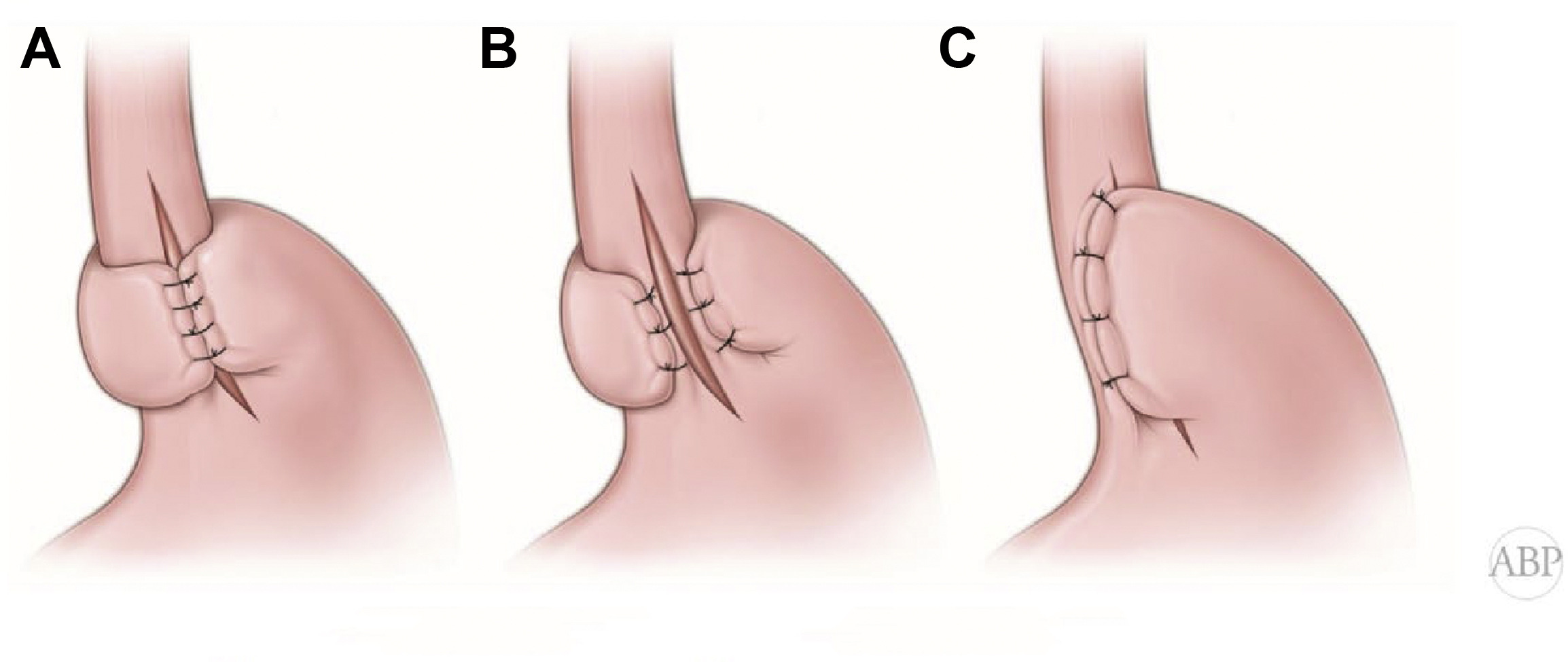
The Heller myotomy surgery fixes this. The surgeon makes a few tiny cuts in your belly. Then he cuts the tight muscle just enough so that food can pass easily into the stomach. To make sure acid doesn't go back up, the surgeon also does a partial wrap (Dor fundoplication). This stops heartburn after surgery. The whole surgery takes about 1 to 2 hours.
Robotic Heller myotomy is even more precise. The surgeon sits at a console and controls robotic arms. These arms give a 3D view and move like human wrists but with extra steadiness. This is very helpful because the tight muscle is right next to important nerves. With robotic help, the surgery is safer and results are excellent. Most patients can eat normally within a few days after surgery.
Doctor makes 4–5 small cuts (0.5 to 1 cm) on your upper belly.
A small camera goes inside to show your food pipe and stomach on a big screen.
Surgeon cuts the tight lower esophageal muscle so food can pass easily.
A partial stomach wrap is done to prevent acid reflux. Small cuts are closed.
Most patients can eat and drink without any trouble right after surgery.
Cuts are very small, so scars fade quickly and are barely visible.
Most patients go home in 2 days and return to normal eating within a week.
Other benefits: much less pain than open surgery, lower risk of infection, and shorter hospital stay. Robotic Heller myotomy gives even better 3D vision and steadier movements, which is very important near the vagus nerve and aorta. Patients gain back lost weight quickly and enjoy meals without fear of choking or regurgitation.
| Factor | Laparoscopic / Robotic | Open Surgery |
|---|---|---|
| Cut Size | Small (0.5–1 cm each) | Large (15–20 cm) |
| Hospital Stay | 2–3 days | 7–10 days |
| Pain After Surgery | Mild | Moderate to Severe |
| Return to Normal Eating | 3–7 days | 2–4 weeks |
| Procedure | Description | Recovery Time |
|---|---|---|
| Laparoscopic Heller Myotomy + Dor Fundoplication | Keyhole surgery to cut tight muscle and add partial wrap to stop reflux. | 1–2 weeks |
| Robotic Heller Myotomy + Dor Fundoplication | High-tech robotic arms with 3D view for perfect precision near delicate nerves. | 1–2 weeks |
| POEM (Peroral Endoscopic Myotomy) | No cuts on skin – done through mouth with an endoscope. For special cases. | 1 week |
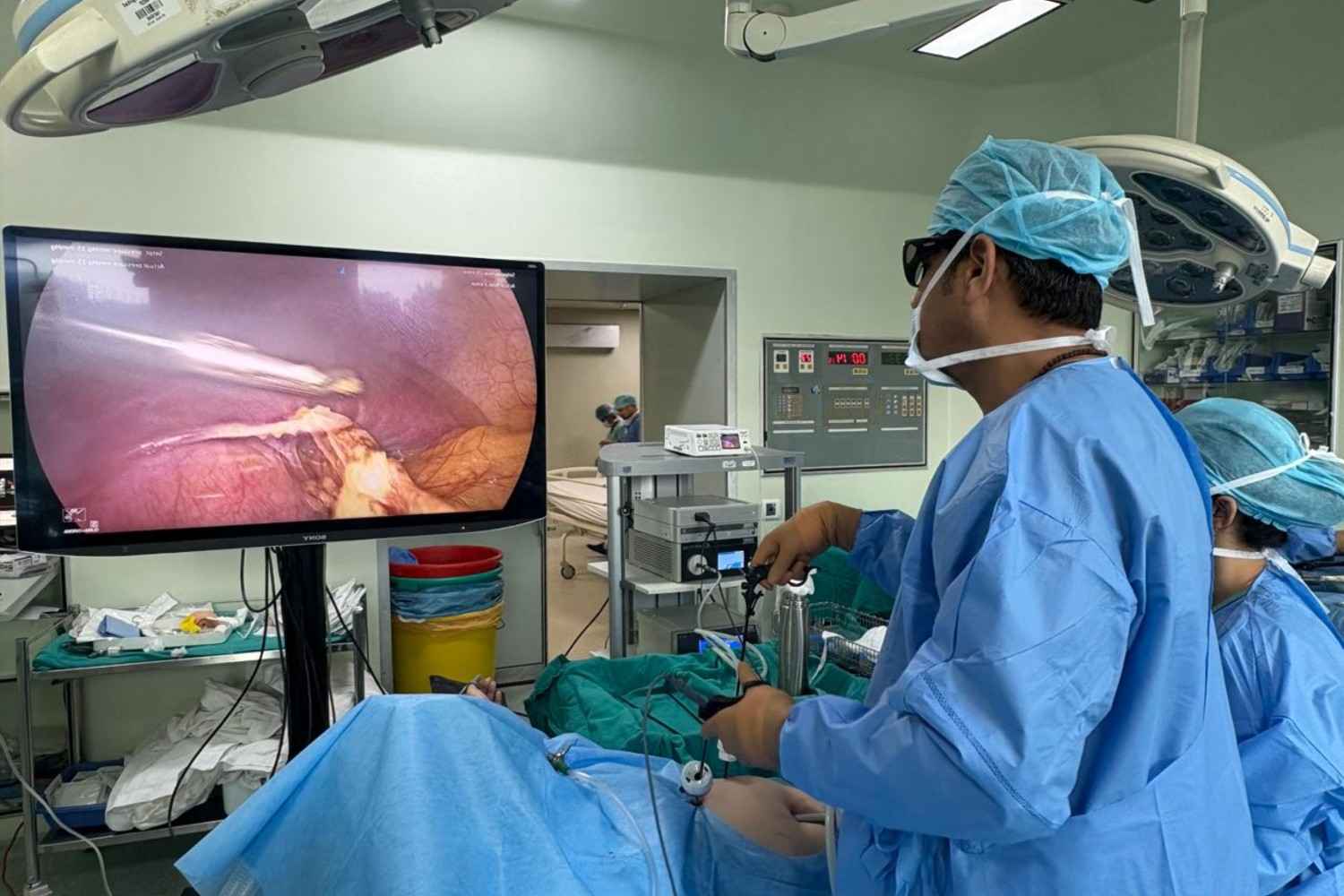
Our operating room has the latest robotic systems, 4K cameras, and special energy devices that cut muscle with no bleeding. We also use intraoperative manometry to check that the muscle is cut just enough – not too little and not too much. Every step is done with extreme care to protect the nerves and ensure you can swallow perfectly after surgery.
Book your consultation with Dr. Ravindra Vats and get trusted surgical care with advanced treatment.
Book Appointment